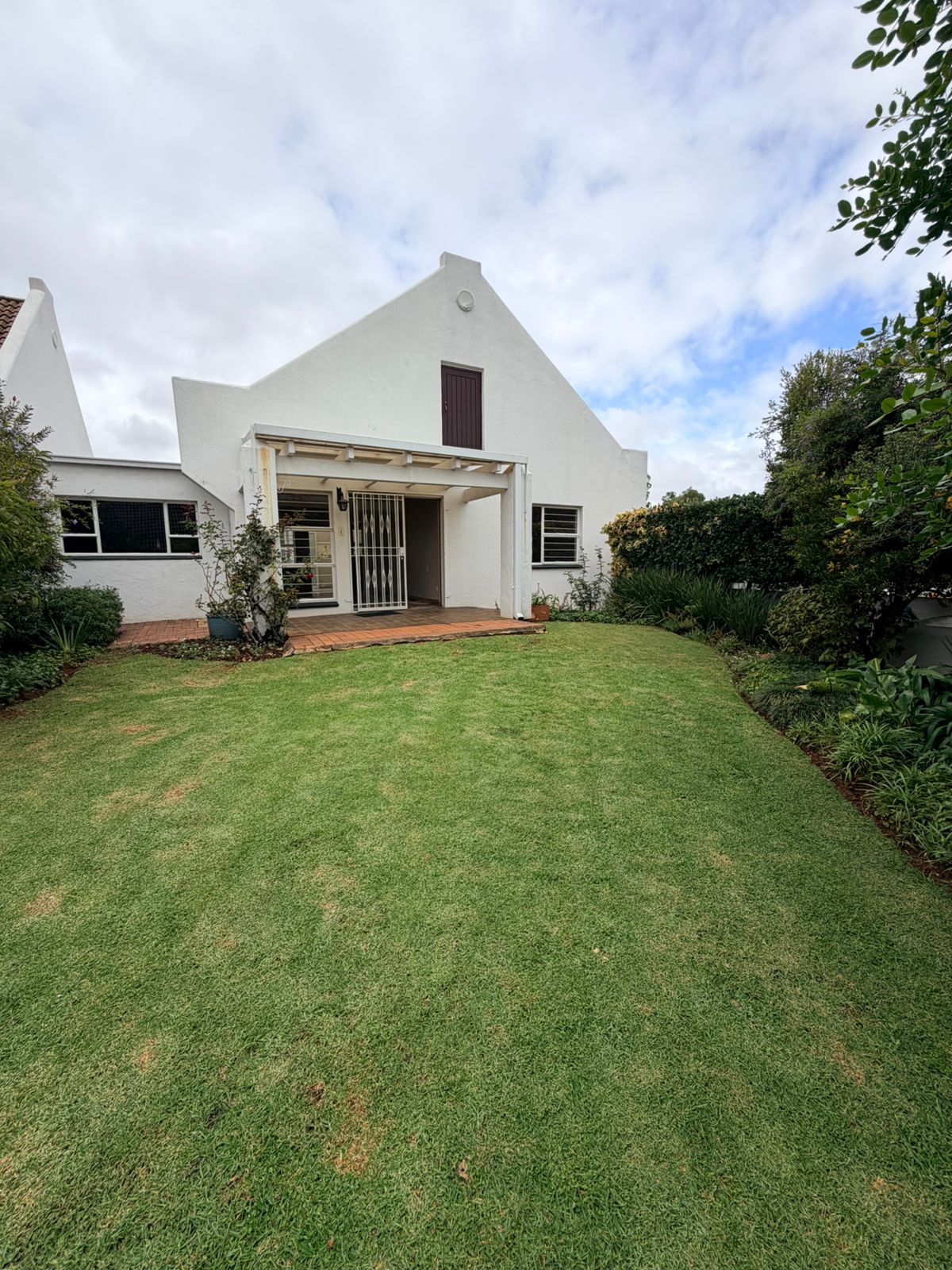
There comes a point in retirement when the question shifts from “Can we manage?” to “Is this still serving us?”
For many, that question centres on where to live. Do you remain in the family home — familiar, filled with memories and independence? Or do you transition into a retirement estate designed specifically for this stage of life?
The answer is deeply personal. But the context in South Africa today makes the comparison more important than ever.
Below, we explore the realities shaping retirement living preferences in 2026 — anchored in local insights, trends and data.
A Growing but Underserved Population of Older Adults
South Africa’s senior population is increasing and will continue to grow in the coming decades. In fact, approximately 9% of South Africans are already over age 60, and this share is projected to rise further in the near future.
This demographic trend creates rising demand for housing and care solutions — from private homes to specialised retirement communities.
The Retirement Property Landscape: Small but Strategic
Despite the growth in older adults, formal retirement housing remains a small portion of the overall market:
- Lightstone data identifies about 650 retirement complexes across South Africa — estates and sectional schemes designed for older adults — housing roughly 44,000 formally registered units.
- Even using generous occupancy assumptions, these complexes accommodate far fewer retirees than the number living in conventional homes.
This highlights a significant gap in structured retirement-living housing — especially outside higher-income segments.
Why Location Matters: Lifestyle, Security and Services
Staying in a long-time family home has obvious emotional value. But in South Africa, several practical realities are now shaping how retirees and their families make decisions.
1. Safety and Security
Security remains a core concern. Standalone homes rely on individual security systems and paid private response services, often at significant cost — and still leave residents vulnerable to broader crime risks.
In contrast, retirement estates and gated communities typically provide:
- Perimeter control
- 24/7 surveillance
- Access-managed entry points
- On-site patrols
These features reduce day-to-day security concerns.
2. Maintenance and Lifestyle Burden
Managing a household in retirement often means contracting garden services, maintenance crews, backup power solutions and more — at fluctuating costs.
By contrast, many retirement estates take care of these responsibilities. In structured villages, landscaping, repairs and common-area upkeep are built into resident levies, freeing retirees up to focus on lifestyle pursuits.
3. Access to Care
Not all older adults need daily medical care — but most will require some level of support over time.
Retirement communities often offer a spectrum of care:
- Independent living
- Assisted living options
- On-site or nearby access to frail care and nursing support
This continuum reduces the need for later relocation due to health needs.
Meanwhile, the broader long-term care market in South Africa is projected to grow significantly, driven by rising demand for hospice, home healthcare and assisted care services.
The Hidden Advantage: Predictable Overall Cost
While retirement estate levies can seem high at first glance, they combine many costs that a retiree living alone might otherwise pay separately — including:
- Security and access control
- Grounds and building maintenance
- Shared facility upkeep
- Backup utility infrastructure
Predictable monthly fees can make budgeting easier — particularly when incomes are fixed in retirement. In some models like Life Rights, levies are defined in advance, adding further financial clarity.
Social Connection and Active Living
A strong thread in resident feedback and industry commentary is the value of community:
- Regular social programs
- Shared facilities like clubhouses and dining spaces
- Peer interactions that reduce isolation
These elements have been highlighted repeatedly in both industry and retirement village features as key benefits of community living.
Balancing Emotion and Practicality
For many South Africans, the family home carries a lifetime of memories. Leaving it isn’t just a logistical choice — it’s deeply emotional.
That’s precisely why retirement decisions increasingly balance what feels familiar with what makes later life safer, simpler and more sustainable.
Decisions don’t have to be reactionary — the ideal is to plan proactively for comfort, security and independence.
How Retirement Choices Are Shaping Up in 2026
Rather than claiming a universal preference for retirement estates, the data and market trends suggest:
Retirement living options are expanding, but remain under-penetrated.
Older adults and families are increasingly exploring estate living earlier — not as a last resort — but as a strategic choice for peace of mind, community and care access.
Secure estates, structured support models and predictable living arrangements are becoming more appealing — particularly for those who value robust planning and a supportive environment.
Final Thought: A Strategic Next Chapter
Retirement living is no longer a one-size-fits-all decision — and it doesn’t have to be solely about independence at home or total relocation.
It’s about choosing a lifestyle that supports wellbeing, connection and dignity for all the years ahead.
The St Georges Approach
At St Georges, we know that deciding where to live in retirement is as much about the heart as it is about logistics.
Choosing to move is not about leaving something behind. It is about selecting an environment that supports the life you want to live now and in the years ahead.
Retirement should not feel smaller.
It should feel secure. Connected. Supported. And fully your own.
If you are considering your next chapter, the most important step is simply to begin the conversation.
________________________________END____________________________________________________
Key References
- Lightstone: rise of retirement property and gaps in availability (650 complexes, 44,000 units). Read more: Rise of retirement property in South Africa — https://businesstech.co.za/news/property/796080/rise-of-retirement-property-in-south-africa/
- Retirement estates remain a small segment relative to total homeowners over 60: Data reveals a significant gap — https://propertywheel.co.za/2024/08/data-reveals-a-significant-gap-in-sas-availability-of-formal-retirement-housing-options/
- Benefits of retirement village living: maintenance-free lifestyle, social activities — Exploring retirement villages and gated communities — https://www.property24.com/articles/exploring-retirement-villages-and-gated-communities/32591
- Broader advantages (healthcare access, social connection) in senior service and life rights models — https://www.seniorservice.co.za/ten-advantages-of-retiring-in-a-lifestyle-estate/