Choosing where to spend your retirement years is a decision filled with emotion, anticipation, and often a little uncertainty. It’s a moment where families come together to consider comfort, support, and the kind of environment that will truly feel like home.
Across South Africa, many retirees are finding reassurance in the Life Rights model — a simple, secure and predictable way to enjoy retirement without the complications of traditional property ownership. If you’re comparing retirement villages in Johannesburg or exploring retirement living options, this guide will help you understand Life Rights with clarity and confidence.
What Exactly Are Life Rights?
Life Rights is a retirement model where an individual or couple purchases the right to live in a home for the remainder of their life.
It’s not property ownership — instead, it is a legally protected right of occupation under the Housing Development Schemes for Retired Persons Act (HDSRPA), which allows entry from age 50 (though villages may set higher age criteria).
In practice, Life Rights offer:
- Lifetime occupation for the resident and surviving spouse
- No transfer duties, bond registration fees or property rates
- Operator responsibility for structural maintenance and major repairs
- A clear, contract-defined refund model at the end of the Life Right
This simplifies retirement living and removes many administrative and financial pressures that come with owning property.
Why Life Rights Are Growing in Popularity
1. Financial Accessibility & Predictability
Life Rights often require a lower upfront investment than sectional title units. With no transfer costs or bond fees, retirees can preserve capital for medical needs or future financial planning.
Predictable levies — supported by operator-managed maintenance — make budgeting simpler over the long term.
2. A Maintenance-Free Lifestyle
Residents avoid the responsibility of exterior maintenance, structural repairs and gardening. This reduces unexpected expenses and creates a more manageable lifestyle.
3. Access to Support & Care When Needed
Most Life Rights villages offer a continuum of care:
- Independent cottages
- Mid-care
- Frail care
This helps residents transition smoothly as needs evolve, without relocating to new environments.
4. Lifestyle Benefits
Villages may include amenities such as dining facilities, coffee shops, libraries, cleaning services, gardens and wellness programmes. These features can enhance day-to-day living and reduce ongoing personal expenses.
5. A Shift Away From Property Administration
Because residents aren’t managing deeds, registrations or structural repairs, retirement becomes more focused on lifestyle, community and wellbeing.
Balanced Considerations to Keep in Mind
Life Rights have grown in popularity, but families should approach the model with full understanding.
Scepticism & Misconceptions
Concerns usually arise when pricing is unclear or refund models are misunderstood. Transparency is key.
Different Refund Models Across the Industry
Villages may offer:
- A percentage refund of the original purchase price
- A share in resale profit
- Deferred management fee models
- Depleting balance (where the purchase price reduces over time)
Knowing which model applies is essential for long-term planning.
Life Rights vs Rental vs Full Ownership
Life Rights are sometimes described as “rent paid upfront,” but with significantly more security and contractual protection.
Compared to full ownership, Life Rights reduce upfront costs and eliminate major maintenance — but they do not offer capital growth.
Contract Clarity
Life Rights agreements outline rules, levies, refund mechanisms, limitations and care provisions. Families should review the contract carefully and seek professional advice if needed.
Estate & Resale Considerations
- Life Rights cannot be bequeathed.
- In joint agreements, payouts occur only after the surviving partner passes away.
- The estate may remain liable for levies until the cottage is resold.
- Refund timing depends on how long resale takes.
Understanding these elements early builds confidence later.
How Life Rights Work at St George’s Village
Once the broader Life Rights model is clear, the next question is how it functions in real life. At St George’s Village, the approach is designed around transparency, stability and resident wellbeing.
Secure Lifetime Living
Residents receive lifetime occupation of their cottages, with:
- No transfer duties or bond fees
- A 75% refund of the original purchase price once the cottage is resold
Predictable, Competitive Levies
Independent market analysis shows St George’s levies are below the Gauteng average, supporting long-term affordability.
Spacious, Comfortable Cottages
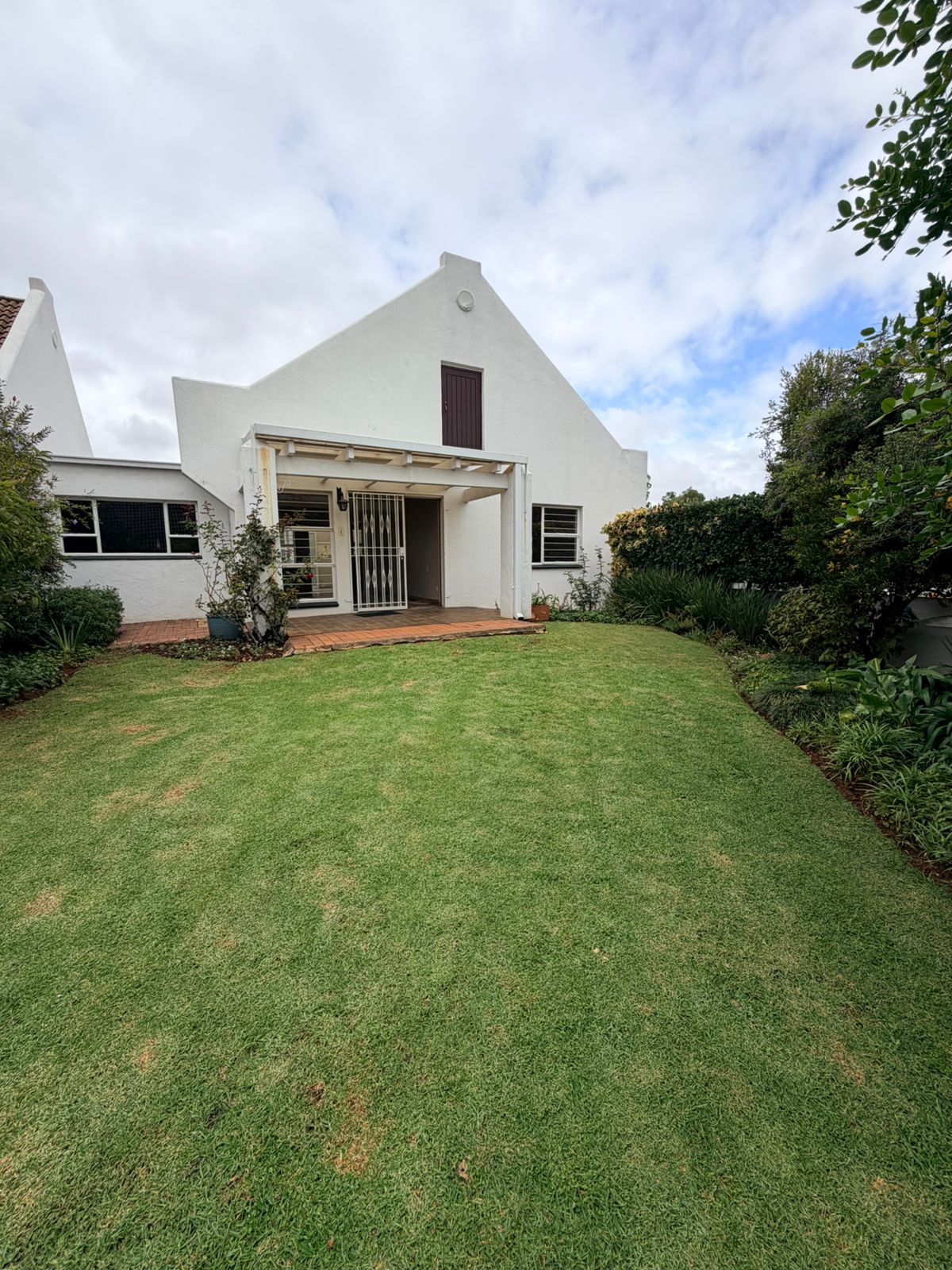
Cottages at St George’s are larger than many Life Rights units in Gauteng, allowing residents to enjoy practical, comfortable living spaces.
Clear Entry Requirements
Applicants must be:
- 55 to 75 years old (with Life Rights granted from 60+)
- Financially and medically suitable
- Able to pay a R2 500 deposit to join the waiting list
The process is simple, fair and designed to match residents with the right environment.
Why St George’s Becomes the Right Choice for So Many Families
Life Rights offer clarity, stability and a secure environment for ageing well. At St George’s Village, these principles come to life through predictable costs, well-designed cottages and access to care when needed.
It’s a practical, reassuring choice for families planning the next stage of life with confidence.
If you’d like to explore this option further, the St George’s team is available to guide you and answer any questions you may have.